When the Running Stops: A Lenten Invitation to Pause
Most of us are running harder than we realize.
We keep moving — finishing one task, solving one problem, carrying one more responsibility — rarely stopping long enough to ask what all this running is doing to our souls.
There is a moment near the end of the film Forrest Gump when Forrest, after running across the country for years, simply stops. No dramatic music. No grand speech. He turns to the people who have been running behind him and says, almost casually, “I’m pretty tired. I think I’ll go home now.”
And that’s it.
No explanation. No achievement unlocked. Just a human being realizing he doesn’t need to keep running.
I think about that scene every year as Lent begins — perhaps because, if I am honest, I have spent much of my life quietly running.
Part of the reason, I suspect, is that I carry what feel like two birth stories inside me.
One is the story I learned from what the Bible sometimes calls empire — the world that tells us we are what we produce, what we achieve, what we accomplish. In that story, our value rises and falls with our performance. When life gets uncertain, the answer is simple: work harder, run faster, do more.
The other story is the quieter one I hear in the gospel — the story that says I am not what I produce. I am who made me. My worth does not begin with my effort; it begins with grace.
Most days, if I’m honest, the empire story is louder.
I don’t always look anxious. I often look productive, dependable, and driven — the kind of person others might describe as committed or hardworking. But underneath that can live something harder to name: a quiet belief that if I just try a little harder, do a little more, or carry a little extra, then maybe everything will hold together.
When life gets difficult, my instinct is not to slow down — it is to bear down.
Years ago, while serving at a church in Sioux Falls, SD, a man walked into the sanctuary one afternoon. He was pacing, clearly upset, phone in hand. I introduced myself and asked if he was okay. Before he could answer, his phone buzzed. It was his wife. I stood nearby as I listened to several minutes of shouting between them. When the call ended, he said simply, “I’m having marriage problems.”
Moments later the phone rang again — another argument, another surge of anger. His face was flushed, his body tense, as if the whole world were pressing in on him at once.
Finally I said, “Can I ask you to do one thing? Give me your phone. Turn it off. For five minutes, just sit here. I’ll bring it back. Just put everything on pause.”
He looked at me like I was a little crazy. But he handed it over.
A few minutes later, when I returned, he was sitting in the pew crying — deep, shaking sobs. When he could finally speak, he said quietly, “The world caught up to me. That’s why I didn’t want to stop.”
He went out to the parking lot, brought his wife inside, and the two of them sat together in the sanctuary. They placed their phones on the altar rail and sat a short distance away, breathing, saying very little. The next day they came back again — just sitting quietly, doing something incredibly brave: letting the world catch up to them.
About a month later he stopped by after attending an NA meeting at the church. As he was leaving, he smiled and said something I have never forgotten:
“I thought if I paused, the world was going to catch up to me. And you know what happened? Grace did.”
That is the quiet promise at the heart of Lent.
Lent begins not with celebration, but with ashes — a simple reminder that we are human, not machines. In a culture shaped by empire thinking — faster, bigger, more — the ancient season of Lent invites us back into gospel thinking: pause, breathe, remember that your worth does not come from how hard you run.
So perhaps the question for this Lenten season is not, “What should I take on?” but “Where might I gently stop?”
Where might you turn off the noise for a few minutes each day?
Where might you allow yourself to breathe?
Where might you trust that you do not have to hold the entire world together by your own effort?
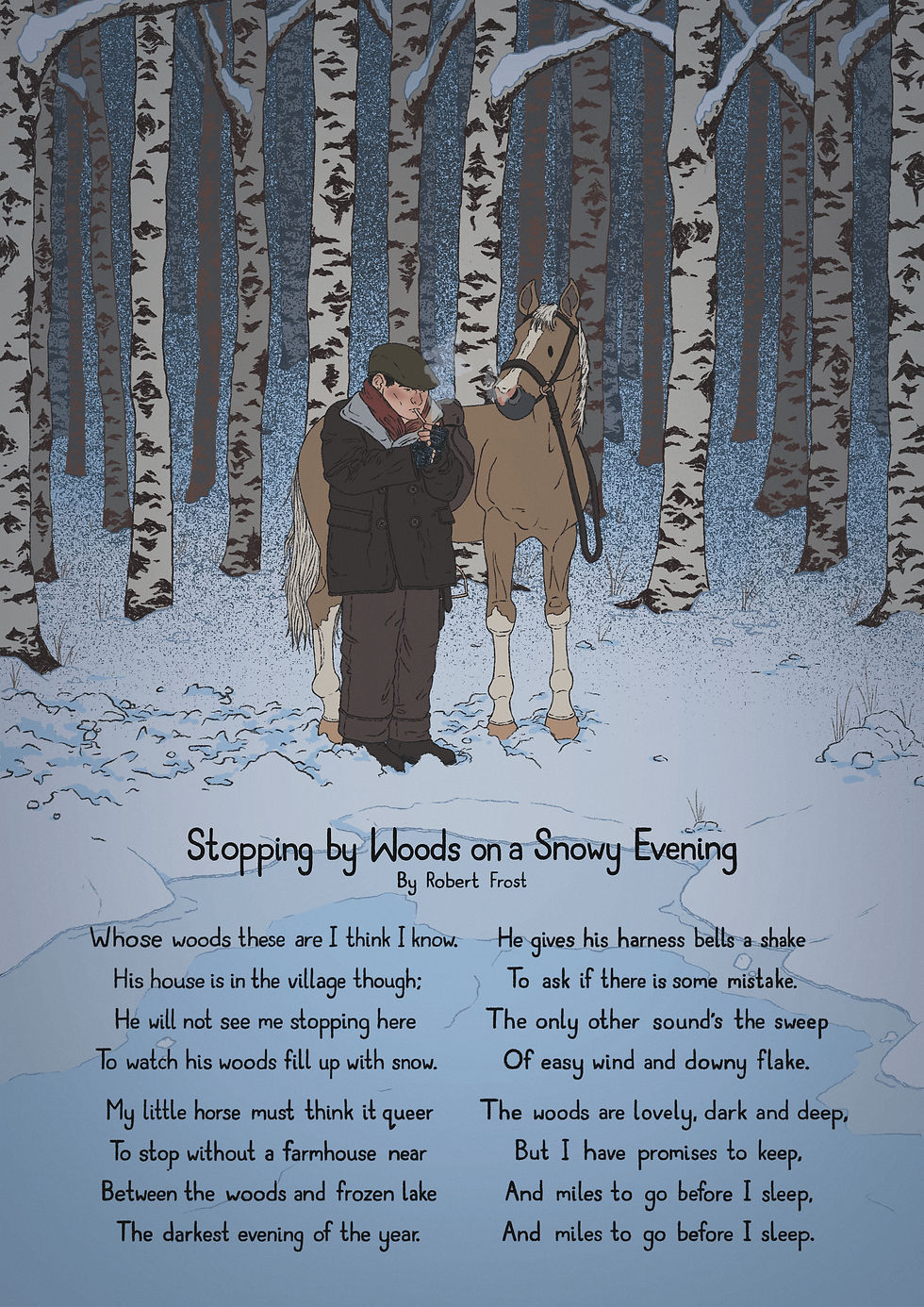
The poet Robert Frost once wrote of stopping quietly in the woods, noticing the stillness before continuing down the road. Lent offers us a similar moment — a sacred pause in the middle of our long journeys — a chance to remember that we are not only travelers with miles to go, but beloved people learning, step by step, how to walk in grace.
In the stillness we fear, grace is already waiting.
———
Personal and Public Faith
For me, Lent is not only about the inner life. It is also about the life we share together.
The gospel that meets me in my own striving is the same gospel that calls us to compassion in our common life.
Earlier this week I wrote an op-ed reflecting on immigration policy and the pain of family separation — an issue that has weighed heavily on me as a pastor and as a human being.
If you would like to read that reflection, you can find it here:
I do not see these as separate conversations.
Ashes remind us who we are.
Love reminds us who our neighbor is.
Your pastor and friend,
living into the good news that when God judges us, the verdict is not “sinner,” but “beloved.”
Brook


I think this might be my favorite of your essays. The ending brings tears to my eyes.
Jeanne